10 Amazing Tips for Using Dough Toys Effectively for Kids Fun
Dough Toys are a fantastic tool for children's creativity and development. According to studies, 87% of parents notice positive effects on their kids' motor skills when they engage with such toys. These colorful substances not only entertain, but also enhance fine motor skills and boost imaginative play.
However, not all activities with Dough Toys yield the same results. Some kids may struggle with the material or lose interest quickly. Research from the National Association for the Education of Young Children shows that guided play enhances engagement. Therefore, it’s essential for adults to participate and introduce various activities. This hands-on interaction encourages exploration and helps children focus.
Incorporating Dough Toys into playtime can be both fun and educational. Surprisingly, many parents overlook these benefits, focusing instead on screen time. Yet, hands-on activities are crucial for developing creativity and critical thinking. By actively using Dough Toys, both parents and children can create unforgettable memories while learning and growing together.

Benefits of Dough Toys for Child Development
Dough toys are not only fun but also beneficial for child development. Playing with dough encourages creativity. Kids mold shapes, characters, and objects. This process helps develop fine motor skills. It strengthens their hand muscles and improves coordination.
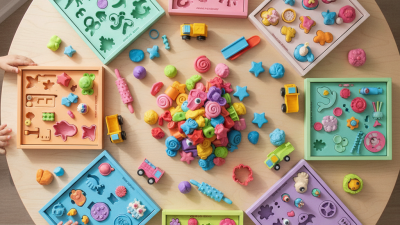
One effective tip is to use various tools during play. Cookie cutters and rolling pins stimulate imagination. They make dough play more engaging. Encourage children to describe their creations. It enhances their vocabulary and communication skills.
Another idea is to incorporate themes into play. For example, create a farm scene with animals and buildings. This offers a chance for storytelling, boosting cognitive skills. Sometimes, kids may struggle to express their ideas. It’s important to give them time and let them explore freely. Encourage persistence even when their creations don't match their vision. Allowing mistakes leads to valuable learning experiences.
Benefits of Dough Toys for Child Development
Choosing Safe and Non-Toxic Dough Materials
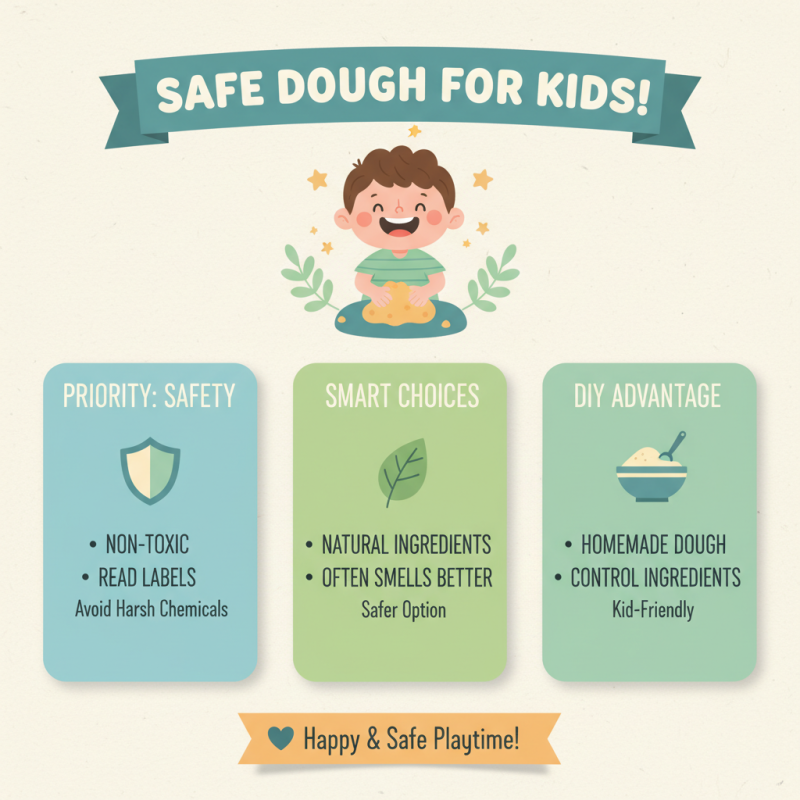
When choosing dough materials for kids, safety is paramount. It's essential to pick non-toxic options. Always read labels carefully. Look for ingredients that are safe for children. Avoid doughs with heavy chemicals. Natural ingredients are a great option. They are safer and often smell better too. Homemade dough can be an excellent alternative. You can control what goes in, ensuring everything is kid-friendly.
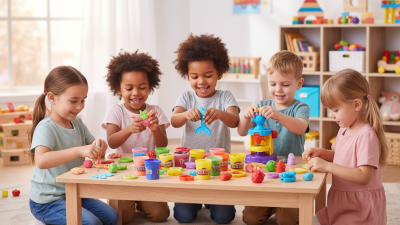
Using dough toys can be a lot of fun. Encourage creativity by shaping and molding with different tools. Kids love to roll, flatten, and cut shapes. Mixing colors can be exciting, but be cautious. Some mixtures may create unexpected messes. Remember, it's okay if the colors get a bit muddy. Let them explore without overthinking.
To keep things organized, designate a play area. Use a mat to catch crumbs. Cleanup can feel overwhelming. But using easy-to-clean surfaces helps immensely. There may be spills and sticky fingers, but that’s part of the process. Enjoy the mess as part of the fun!
Creative Techniques for Engaging Dough Play
Dough play offers kids a fun and engaging way to learn and explore. Creative techniques enhance this experience. According to a 2021 report by the National Association for the Education of Young Children, hands-on activities improve fine motor skills significantly. Engaging children in dough play develops their creativity and boosts cognitive development.
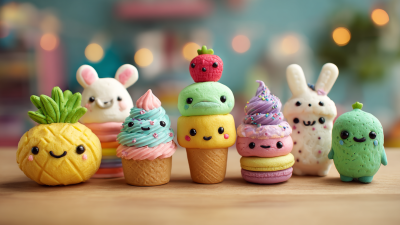
Tips for effective dough play include setting up themed stations. Each station can have distinct tools and colors. This approach encourages imaginative play. Another technique is to incorporate storytelling. Children can create characters or scenes using dough. This not only entertains them but also cultivates narrative skills.
Remember to embrace messiness. It's part of learning. Allowing kids to experiment with shapes and colors may lead to unexpected results. Sometimes, their creations may be less than perfect, but that fosters resilience.
Encouraging collaborative play can also enhance social skills. Kids learn to share and negotiate during group activities. It's a great way to build teamwork, even if conflicts arise. Emphasizing these creative techniques can unlock the full potential of dough play, making it more than just fun.
Incorporating Educational Activities with Dough Toys
Dough toys are a fantastic medium for engaging kids in educational activities. There's so much you can do with them! Incorporating learning into play can be simple and enjoyable. For instance, you can teach colors by encouraging children to mix and match dough colors. This not only helps them learn but improves their fine motor skills.
Another effective tip is to use dough toys for counting exercises. Create small shapes like circles or squares and ask children to count them. As they mold and create, they practice their counting skills in a fun way. Remember, the process of creating is just as valuable as the final product. Sometimes, kids get frustrated when their creations don't look perfect. This is a great opportunity for reflection. Encourage them to try again and think about how they can improve.
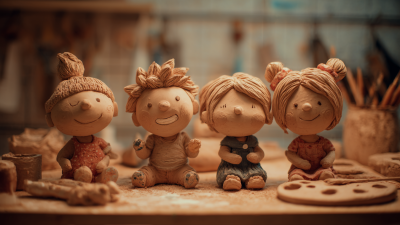
Storytelling can also be enhanced with dough. Ask kids to make characters from their favorite stories. Through this activity, they can connect with the narrative and spark their imagination. They might not create exactly what they envision, and that's okay. The beauty lies in their creativity and expression. Embrace the imperfections, as they often lead to unique and wonderful creations.
10 Amazing Tips for Using Dough Toys Effectively for Kids Fun - Incorporating Educational Activities with Dough Toys
| Tip |
Description |
Educational Focus |
Recommended Age |
| Color Mixing |
Encourage kids to mix different colors of dough to discover new colors. |
Art, Color Recognition |
3+ |
| Shape Recognition |
Create various shapes and ask children to identify them. |
Math, Shape Learning |
2+ |
| Counting Fun |
Use dough objects to practice counting. |
Math, Counting Skills |
4+ |
| Sensory Play |
Explore different textures and temperatures with dough. |
Sensory Development |
1+ |
| Storytelling |
Create characters with dough and tell a story. |
Language, Creativity |
3+ |
| Fine Motor Skills |
Mold and shape dough to improve hand strength and coordination. |
Motor Skills Development |
2+ |
| Pattern Making |
Encourage kids to create patterns with colors or shapes. |
Math, Pattern Recognition |
4+ |
| Dough Letters |
Mold letters out of dough to learn the alphabet. |
Literacy, Alphabet Learning |
4+ |
| Dough Animals |
Make animals with dough and learn their names. |
Science, Animal Recognition |
3+ |
| Cooking Activities |
Pretend cooking with dough to enhance imaginative play. |
Life Skills, Imagination |
2+ |
Tips for Clean-Up and Maintenance of Dough Materials
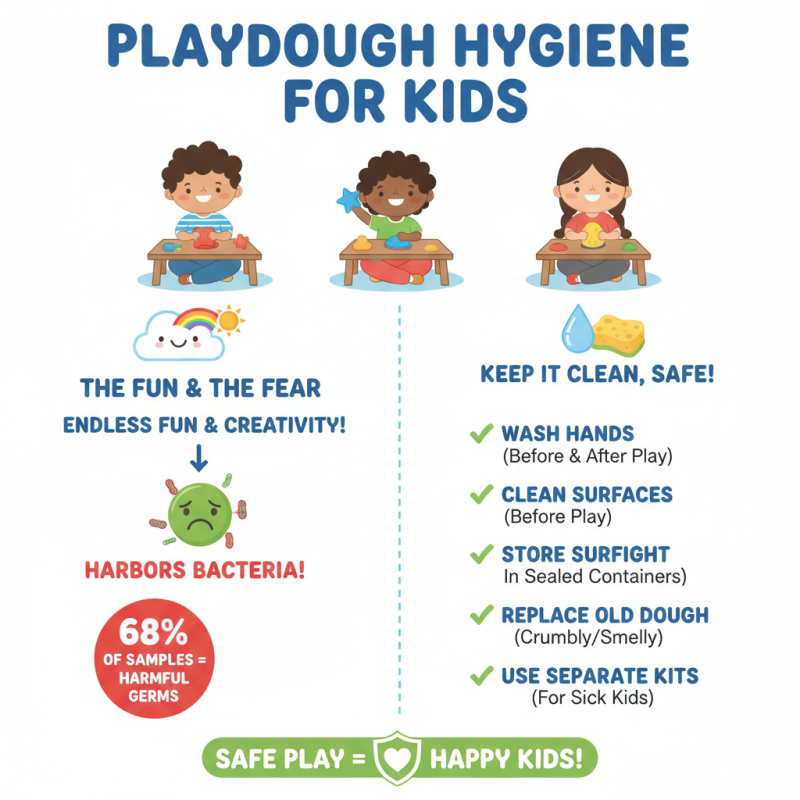
Dough toys are a favorite among kids for their endless fun and creativity. However, maintaining these materials is crucial for a safe play environment. Research shows that playdough can harbor bacteria if not cleaned properly. A study found that up to 68% of playdough samples contained harmful microorganisms. This highlights the need for proper hygiene practices.
When your child is done playing, it’s vital to clean up effectively. Start by gathering any leftover dough. Sweep or vacuum the area to remove crumbs. Then, use a damp cloth to wipe surfaces. Soaking playdough in warm water can help remove sticky residue. Allow the toys to air dry completely. This process prevents mold growth, keeping the dough safe for future use.
Storing dough materials can be a challenge. Keep them in airtight containers to maintain their consistency. Studies indicate that improper storage can reduce the lifespan of the dough by up to 50%. Regularly inspect your dough for signs of drying or contamination. If it appears hard or has an unusual smell, it's time to discard it. Ensuring cleanliness and proper maintenance can make playtime enjoyable and worry-free.