Buying Children Toys wholesale can improve margins, but attractive prices never tell the whole story. A low unit cost may hide weak packaging, inconsistent colors, delayed shipping, or missing product information. Experienced buyers inspect samples before placing large orders. They also compare material quality, age guidance, packaging strength, and supplier communication.
Small details matter. Check whether a puzzle box arrives with crushed corners. Test whether wooden pieces feel smooth and secure. Review product specifications, batch information, and safety documentation from reliable suppliers. Requirements differ by market, so confirm current standards with qualified testing bodies or local authorities. Do not rely only on a supplier’s online claims.
Trust takes evidence.
A practical wholesale plan should examine demand, minimum order quantities, storage space, shipping costs, and return procedures. Seasonal items can sell quickly, then remain unsold after a holiday. Forecasting is useful, but it is never perfect. I have seen buyers overestimate a popular color and underestimate a plain, durable design. That mistake can tie up cash for months.
These ten tips focus on careful evaluation rather than rushed purchasing. They encourage clear questions, documented agreements, sample inspections, and realistic profit calculations. Reliable suppliers should explain production timelines and respond consistently when problems appear. Still, even a well-prepared order can face delays or damaged cartons. Build reasonable contingency plans, keep records, and review each purchase afterward. Better decisions come from evidence, patience, and honest reflection—not from the lowest quoted price.
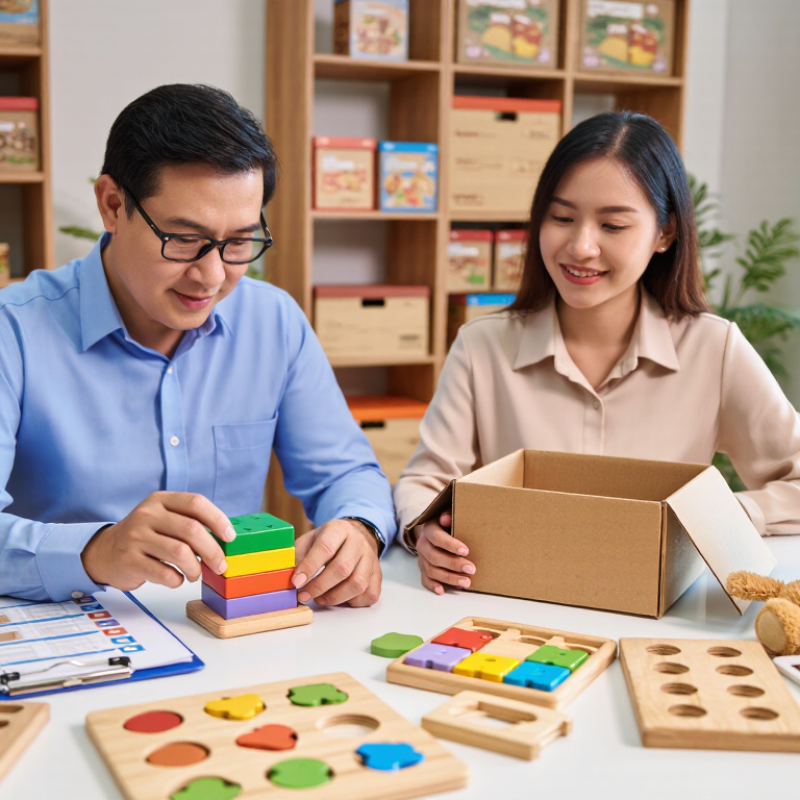
Before buying children’s toys wholesale, define exactly what your store needs. A vague order can create slow-moving boxes and unnecessary storage costs. Record toy categories, materials, colors, price limits, and expected monthly volume. Then identify your target age groups, because toddlers need different products from six-year-old children. For infants, examine soft textures, secure parts, and washable surfaces. Older children may prefer puzzles, building sets, pretend-play items, or skill-based activities.
Use customer evidence, not only personal preference. Review previous sales, parent questions, and the ages of children visiting your shop. A simple spreadsheet can compare age range, retail price, package size, and reorder frequency. Ask suppliers for product specifications, sample units, care instructions, and relevant safety documentation. Inspect samples yourself. Check seams, sharp edges, fasteners, paint coverage, and packaging clarity before placing a large order. Measure twice.
Age labels should reflect developmental ability, not merely attractive marketing language. Separate stock clearly when one toy suits several ages. Train staff to explain the differences in difficulty, supervision, and play value. If schools or childcare centers are customers, record their buying cycles and durability expectations. Do not over-order a popular item after one busy weekend. Demand may be seasonal. My own forecast might be wrong, especially when weather or holidays change customer behavior. Record those mistakes beside the next order, then adjust quantities using several weeks of sales and return data.
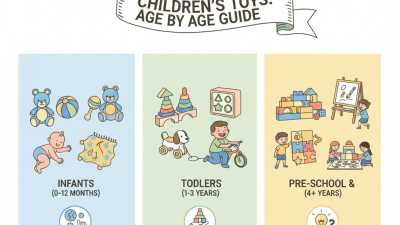
| Tip | Target Age Group | Wholesale Requirement to Define | Suitable Toy Categories | Key Safety and Quality Checks | Suggested Order Planning | Practical Buying Action |
|---|---|---|---|---|---|---|
| 1. Define the age range first | 0–12 months | Prioritize sensory development, easy handling, washable surfaces, and simple product instructions. | Rattles, soft activity toys, teething toys, fabric books, and stacking rings. | No small detachable parts, secure seams, non-toxic materials, smooth edges, and age-appropriate size. | Start with a limited assortment and replenish frequently because infants outgrow products quickly. | Ask for product dimensions, material details, cleaning instructions, and age grading before placing an order. |
| 2. Match toys with developmental needs | 1–2 years | Select toys that support movement, cause-and-effect learning, language development, and supervised exploration. | Push-and-pull toys, chunky puzzles, shape sorters, bath toys, and musical activity toys. | Stable construction, secure battery compartments, large components, and clear supervision guidance. | Use a balanced mix of active, educational, and quiet-play products rather than one category only. | Request samples to check noise level, grip comfort, durability, and ease of cleaning. |
| 3. Specify the intended play environment | 2–4 years | Decide whether products are intended for home, daycare, travel, outdoor use, or mixed environments. | Pretend-play sets, building blocks, ride-on toys, art materials, and beginner outdoor toys. | Check stability, weight limits, ventilation, washable finishes, and resistance to repeated handling. | For institutional use, allow extra units for frequent cleaning, rotation, and replacement. | Confirm storage requirements and whether the packaging can be reused for classroom or retail display. |
| 4. Plan for skill progression | 4–6 years | Choose products that develop fine motor skills, early reasoning, creativity, cooperation, and communication. | Construction sets, beginner board games, craft kits, role-play accessories, and science discovery toys. | Review small-part warnings, sharp-point risks, choking hazards, instructions, and contents completeness. | Create a tiered assortment with entry-level, intermediate, and higher-complexity items. | Compare play value, piece count, retail packaging size, and expected shelf appeal. |
| 5. Set a realistic budget | 6–8 years | Define target unit cost, landed cost, packaging cost, import charges, and acceptable defect allowance. | Strategy games, model-building kits, creative sets, sports equipment, and coding-free logic toys. | Check product completeness, material consistency, instruction clarity, and packaging protection during transit. | Use a cost mix such as entry-level items for volume and premium items for higher margins. | Calculate total landed cost instead of comparing wholesale unit prices alone. |
| 6. Confirm compliance requirements | All age groups | Identify the destination market and request applicable testing documents, labeling information, and traceability records. | All children’s toy categories, including non-electronic and electronic products. | Common requirements may include ASTM F963 or EN 71, depending on the sales market; verify current local rules. | Do not mix compliant and unverified stock in the same purchase order. | Keep test reports, bills of materials, warnings, batch details, and inspection records with the order file. |
| 7. Compare minimum order quantities | Mixed age ranges | Clarify minimum order quantity per design, color, size, carton, and purchase order. | Fast-moving basics, seasonal toys, educational products, and trial assortments. | Ensure mixed cartons are clearly labeled and that variant quantities are accurately documented. | Use smaller trial quantities for new products and larger quantities only after sales data is available. | Negotiate assortment flexibility rather than accepting a high minimum for every individual variation. |
| 8. Evaluate packaging and labeling | All age groups | Specify language, warning labels, barcode placement, carton markings, packaging dimensions, and sustainability goals. | Retail-ready toys, gift sets, educational kits, and products sold through e-commerce. | Labels must be legible, securely attached, age-appropriate, and consistent with the product contents. | Allow additional time for custom packaging, artwork approval, and packaging quality checks. | Request a pre-production packaging sample before approving mass production. |
| 9. Review logistics and lead time | All age groups | Confirm production time, inspection date, shipping method, carton volume, delivery terms, and reorder timing. | Year-round products, seasonal collections, promotional items, and large outdoor toys. | Check carton strength, moisture protection, product separation, and shipping-related damage risks. | Place seasonal orders several months before the selling period and maintain safety stock for best sellers. | Obtain carton dimensions and gross weight to estimate storage and freight costs accurately. |
| 10. Establish inspection and reorder rules | All age groups | Define acceptable defect limits, inspection checkpoints, replacement terms, payment milestones, and reorder thresholds. | Core products with repeat demand and items requiring multiple components or assembly. | Inspect function, appearance, quantity, packaging, safety warnings, and random cartons before shipment. | Set reorder points using sales velocity, lead time, stock on hand, and seasonal demand. | Record defect rates and customer feedback so future wholesale orders can be adjusted objectively. |
Note: Toy safety, labeling, testing, and documentation requirements vary by destination market. Always verify the current regulations that apply to the products and sales region.





+86-754-86986185

David: info@yo-yo.net.cn
Susan: sales8@yo-yo.net.cn
Eunice: sales3@yo-yo.net.cn
Vincent: st88@sixtrees.cn

David: +86 13118683999
Susan: +86 13829657827
Eunice: +86 13809675407
Vincent: +86 13592830482