Why is Play Dough So Popular Among Children?
Play Dough has captivated children for generations. This tactile material stimulates creativity and fine motor skills. According to a report by the American Pediatric Association, children aged two to five greatly benefit from sensory play. This is where Play Dough shines, offering endless possibilities for imaginative exploration.
Dr. Lisa Thompson, a child development expert, notes that "Play Dough fosters creativity while developing essential skills in young children." The vibrant colors and soft texture engage kids, making learning fun. Children can mold, squish, and shape, enhancing their coordination. However, not all children respond positively to Play Dough. Some may feel overwhelmed by its texture or smell.
In a world dominated by screens, Play Dough provides a refreshing break. It encourages hands-on play, which is vital for cognitive growth. Yet, despite its popularity, there's a need for mindful supervision. Adults should ensure safe and clean play environments. As we embrace Play Dough's benefits, we must remain aware of each child's unique preferences and challenges.

The Sensory Experience: Texture and Feel of Play Dough
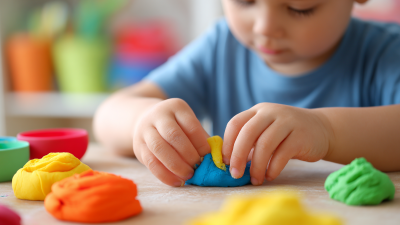
Play dough captivates children with its vibrant colors and unique texture. The way it feels in their hands is incredibly engaging. Kneading and molding allow children to explore their creativity. The soft, pliable material provides a sensory experience that many children find soothing. As they push and pull the dough, it leaves a lasting impression on their young minds.
Every squeeze and twist makes different shapes. The resistance of the dough creates an exciting tactile feedback. This hands-on play can be messy, and that’s part of the fun. It encourages exploration and experimentation. Sometimes, pieces get stuck to their fingers. A little frustration may occur, but children learn to adapt and overcome.
Watching their imaginations come to life through this medium is fascinating. The simple act of playing with dough can spark joy. Colors blend, and new textures emerge. Each session can be different, as their ideas evolve. It’s a beautiful reminder that even in play, there's a journey of learning. Encouraging kids to embrace imperfections can foster resilience.
Creative Expression: How Play Dough Encourages Imagination
Play dough is a wonderful medium for children to express their creative minds. It offers endless possibilities. Kids can mold, squish, and shape it into anything they imagine. This tactile experience fosters imagination and encourages innovative thinking. Children can create anything from simple shapes to intricate designs. Each time they play, they learn something new about their creativity.
Every child has a unique approach. Some may focus on colors, while others emphasize texture. It’s not just about making something pretty. It's about the process of creation. Play dough encourages children to explore their thoughts and feelings. They tell stories through their creations. This helps in developing narrative skills and emotional expression.
**Tip:** Start with basic shapes and textures. Encourage children to build stories around their creations.
Play dough can also be a bit messy. Sometimes, the end product may not look perfect. But that’s okay. The imperfections give a sense of authenticity. Children learn to embrace mistakes as part of the creative process. They can reflect on what they could have done differently.
**Tip:** Designate a specific area for play dough activities. Keep cleaning supplies handy for easy cleanup.
This takes the pressure off and allows for freedom. Imagination thrives in a relaxed environment. When children feel free to create without judgment, they truly flourish.
Cognitive Development: Learning Through Manipulation and Play
Play dough is a favorite among kids. It offers a hands-on experience that encourages creativity. Cognitive development thrives through manipulation and play. According to the American Academy of Pediatrics, children learn best when they engage in active play. This kind of play helps them grasp complex concepts through tactile experiences.
When children squish, shape, and mold play dough, they explore textures and colors. This exploration stimulates their brains. A 2021 study from the National Association for the Education of Young Children found that sensory play boosts problem-solving skills. Children learn cause and effect by experimenting with the material. They begin to understand how different shapes can be created and transformed.
Tips: Encourage your child to describe their creations. Ask them questions about their choices. This promotes language development alongside cognitive skills. Also, let them experiment without strict rules. Allowing freedom can spark their imagination further. Embrace the mess, as it is part of the learning process. Remember, it’s okay if they don't create a masterpiece every time. The focus should be on exploration and joy.
Social Skills: Collaborative Play and Interaction with Play Dough
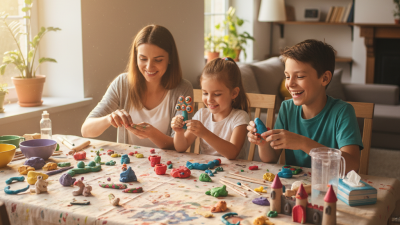
Play dough is a popular toy for children, providing countless benefits. One significant aspect is its role in developing social skills. When children play with play dough together, they engage in collaborative play. They share ideas, negotiate roles, and create together. This interaction fosters communication and enhances their ability to work in teams.
Playing with others can sometimes lead to disagreements. Children may want different things, causing frustration. These moments are crucial for learning. Children must resolve conflicts and understand diverse perspectives. It’s a real-world lesson in patience and understanding.
Tips for enhancing social play with play dough:
Encourage children to share their tools and colors. This promotes cooperation. Organize group activities where they can collaborate on projects. For instance, making a big sculpture together is fun! Celebrate their individual contributions to build confidence. Lastly, remind them that it’s okay to make mistakes. Learning through play offers invaluable experiences for everyone involved.
Why is Play Dough So Popular Among Children? - Social Skills: Collaborative Play and Interaction with Play Dough
| Dimension |
Description |
Benefits |
| Creativity |
Play dough encourages imaginative play by allowing children to create whatever they desire. |
Stimulates creative thinking and expression. |
| Motor Skills |
Manipulating play dough helps strengthen fine motor skills. |
Improves hand-eye coordination and dexterity. |
| Social Interaction |
Children often play with others, facilitating collaboration and sharing. |
Enhances social skills and teamwork. |
| Emotional Expression |
Creating with play dough provides a medium for children to express their feelings. |
Aids in emotional development and understanding. |
| Cognitive Development |
Playing with play dough can involve problem-solving and critical thinking. |
Enhances cognitive skills and decision-making abilities. |
Stress Relief: The Therapeutic Benefits of Play Dough for Children
Play dough serves as more than just a toy; it offers significant therapeutic benefits for children. Studies show that engaging with play dough can reduce stress levels in kids. The tactile experience of molding and squishing dough provides comfort. Children often find solace in the repetitive motions, which can soothe anxiety. In fact, research indicates that sensory play can enhance emotional regulation. Children become more aware of their feelings while engaging their senses.
The physical act of manipulating play dough helps improve fine motor skills. This development is crucial for young children as they prepare for tasks like writing. According to a report from the American Occupational Therapy Association, sensory activities aid in developing coordination and strength. Children may find it easier to express emotions while playing, too. Messy play can lead to laughter and joy. However, not every child reacts positively to the experience. Some may get overwhelmed by the textures or colors. This variability can be frustrating for parents and caregivers.
Creating with play dough sparks creativity but also presents challenges. Children might struggle with sharing or taking turns during play. Such moments can lead to frustration or conflict. Still, these are critical learning opportunities. Kids learn negotiation, patience, and problem-solving skills. These experiences may not always be perfect, but they pave the way for growth. In this way, play dough plays a vital role in both stress relief and emotional development.
Why is Play Dough So Popular Among Children?
Stress Relief: The Therapeutic Benefits of Play Dough for Children