What Are Dough Toys and Which Types Do Buyers Prefer?
Dough Toys are hands-on play products that turn soft, moldable material into simple shapes, pretend food, animals, and miniature scenes. They usually include modeling dough, cutters, rollers, molds, stamps, or small tools. Unlike passive toys, they invite children to squeeze, flatten, twist, and rebuild each idea. That process can support fine-motor practice, imaginative play, early design thinking, and shared family time. Yet, the label covers many products. Some sets focus on bright colors and accessories. Others emphasize natural textures, reusable dough, or quiet sensory play. A useful review should examine material quality, age guidance, cleanup, storage, and the realism of the play experience. These details matter when dough sticks to a table or dries inside a container. Play can get messy.
Buyer preferences often reflect practical routines rather than novelty alone. Parents may value sealed tubs, washable surfaces, clear ingredient information, and tools that fit small hands. Children often prefer vivid colors, soft textures, themed molds, and enough dough for repeated creations. Educators may look for open-ended sets that encourage storytelling instead of one correct result. Safety should remain central, including supervision for young children and careful attention to small parts. No single kit suits every household. That matters. A compact set may work well in a travel bag, while a larger kit suits a shared craft table. In comparing popular types, this guide considers user experience, product design, and trustworthy safety information. Some preferences are easy to predict, but real use can be messier. A highly rated set may still disappoint when colors mix quickly or lids close poorly. That limitation deserves honest attention. The discussion asks not only what Dough Toys are, but why buyers keep choosing particular formats.
What Are Dough Toys and How Do They Work?
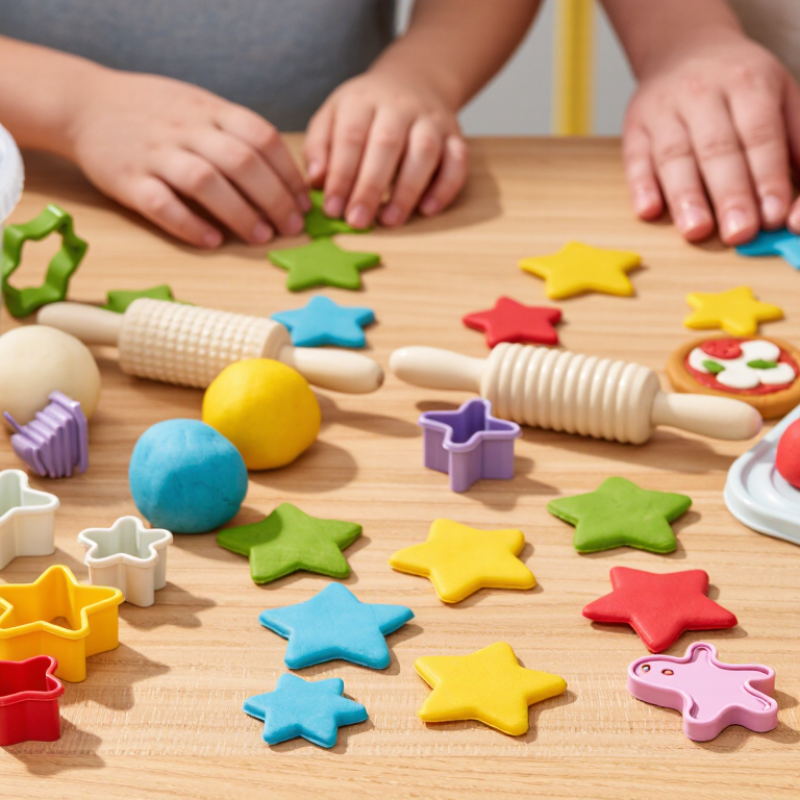
Dough toys are soft modeling compounds designed for pressing, rolling, cutting, and shaping. Their behavior comes from a viscoelastic mixture that bends under pressure but holds a form afterward. Most formulas combine flour or synthetic polymers, water, salt, oils, and colorants. Some mixtures include binders that slow drying. The result feels soft between small fingers, yet firm enough to support a tiny animal or pretend cake.
The play is hands-on. A child squeezes the dough, changes its shape, and receives immediate visual feedback. This repeated action can support fine-motor practice and sensory exploration. A 2023 report from the Toy Association identified creativity and skill-building as continuing priorities in children’s play. Circana also reported that global toy sales fell 7% in 2023, making practical play value more important for many households. Dough offers several activities in one tub.
Buyer preference is less simple than product rankings suggest. Grand View Research estimated the global educational toys market at about 61.3 billion U.S. dollars in 2023, but its categories do not isolate dough toys. The evidence is useful, though incomplete. Texture, low odor, vivid colors, washable tools, and resealable storage often influence purchase decisions. Parents may also check age guidance, ingredient disclosure, and allergy warnings. They do not always agree with children. That tension matters.
A softer compound suits early shaping. Firmer dough holds detail better. Some buyers prefer reusable textures, while others accept quick-drying sets for cleaner storage. The category remains imperfectly measured. That is worth acknowledging.
What Materials and Designs Are Used in Dough Toys?
Dough toys usually combine soft modeling dough with tools that turn simple shapes into pretend food, animals, or tiny buildings. Common dough formulas use flour, salt, water, food-grade colorants, and preservatives. Premium versions may use silicone-like compounds or polymer-based materials, offering smoother texture and longer shelf life. However, “non-toxic” should not replace a full safety review. Buyers should check age guidance, ingredient disclosure, and testing against standards such as ASTM F963 or EN 71.
Design strongly influences repeat play. A 2024 Circana report valued the U.S. toy market at about $28.6 billion in 2023, while creative activities remained an important play segment. This supports demand for cutters, rollers, molds, presses, and multi-color sets. Buyers often prefer tools with rounded edges and large handles. Small cutters look attractive, but they can disappear easily. I have found that storage matters more than expected. A cracked lid or missing mold quickly weakens the play experience. The design may be clever, yet difficult cleanup remains a real weakness.
Tips: Choose dough with a clear ingredient list and a mild smell. Look for washable surfaces and tools that resist bending. Test one small set before buying a large kit. Check whether colors stain fabric or dry out after opening. Industry testing helps, but parent feedback reveals practical problems that laboratory data may miss.
Which Types of Dough Toys Are Available?
Dough toys come in several practical forms, and each type supports a different kind of play. Reusable modeling dough is soft, colorful, and easy to reshape. Children can press, roll, twist, and combine it repeatedly. Air-dry dough creates firmer figures that can be kept after play. However, it may crack when applied too thinly. Foam dough feels lighter and less sticky, making it suitable for simple crafts and younger users. Some sets also include scented dough, but strong fragrances may bother sensitive children.
Tool-based dough kits add another layer of play. They usually contain rollers, cutters, molds, stamps, and small shaping tools. Buyers often prefer kits with several textures and clear storage because loose pieces disappear quickly. Mold sets can help beginners create animals, food, or basic patterns without frustration. More advanced users may prefer plain dough with flexible tools. Preferences vary.
Tips: Check the recommended age, material information, and choking warnings before buying. Choose washable dough for tables, carpets, and frequent use. Store each color in a sealed container. A simple kit may be better than an oversized set, although that depends on the child’s patience. I sometimes underestimate cleanup time. That matters. Feel the dough, inspect the tools, and avoid products with sharp edges or unclear instructions.
What Are Dough Toys and Which Types Are Available?
Common dough toy types compared by the number of play actions they support in a typical use example.
Dough toys include modeling dough, cutters, extruders, molds, play kitchens, and sensory kits. Action counts are illustrative examples, not sales figures or buyer-preference survey results; accessories and activities vary by set.
What Features Do Buyers Prefer in Dough Toys?
Buyers often judge dough toys by how they feel in small hands. Soft, pliable dough is easier to press, roll, and cut, while dough that crumbles or sticks to tools can quickly frustrate children. A useful set includes chunky rollers, blunt cutters, and simple molds with visible shapes. The details matter. A child should be able to grip each piece without constant adult help.
Easy cleanup is another strong preference. Dough that lifts from a smooth table is less stressful than dough that leaves crumbs in every seam. Buyers also look for sturdy tools with rounded edges and clear age guidance. Material information should be easy to find, especially for families with young children. Check the pieces before play. Small parts can disappear under a chair.
Good storage helps, too. A container with a secure lid keeps dough from drying out between sessions. Color variety can invite imaginative play, but more colors do not always mean more fun. Sometimes a few basic colors and a rolling pin are enough. I would not assume every set will hold a child’s interest for long; preferences vary, and some kits include tools that rarely leave the box. The best features are usually the ones children can use independently and adults can clean without fuss.
What Are Dough Toys and Which Types Do Buyers Prefer? – What Features Do Buyers Prefer in Dough Toys?
Dough toys are play materials and accessories—such as modeling dough, cutters, rollers, and themed play sets—that let children shape and create. The preferences below summarize common practical buying considerations; they are qualitative, not survey percentages or market-share figures.
| Feature |
What buyers commonly prefer |
Why it matters |
Typical priority |
| Age suitability and safety |
Clear age guidance, appropriately sized tools, and ingredient and safety information on the package. |
Children’s abilities and supervision needs vary by age. Dough toys are not intended to be eaten, and small parts may be unsuitable for young children. |
High |
| Soft, workable dough |
Dough that is easy to press, roll, and shape, especially for younger children. |
A workable texture makes hands-on play easier; dough that dries out or becomes difficult to handle can shorten play sessions. |
High |
| Color variety |
Several distinct colors that support mixing, sorting, and imaginative projects. |
Color variety offers more creative options and can make activities such as color naming and matching more engaging. |
Medium |
| Useful tools and cutters |
A practical assortment of child-friendly rollers, cutters, and shaping tools that are easy to grip and clean. |
Tools expand the kinds of shapes children can make. Simple designs are generally easier for small hands to use. |
High |
| Open-ended play |
Basic dough sets or versatile accessories that can be used for many different creations. |
Flexible play supports experimentation and does not rely on completing only one preset activity. |
Medium |
| Themed play sets |
Sets built around familiar activities—such as food, animals, or vehicles—when the theme matches a child’s interests. |
A clear theme can make it easier to start pretend play, though interest in a particular theme varies from child to child. |
Medium |
| Easy cleanup |
Dough and accessories that can be gathered and stored easily, with straightforward care instructions. |
A manageable cleanup routine makes repeated use more convenient for families and caregivers. |
High |
| Resealable storage |
Tubs or containers that close securely and keep different colors and tools together. |
Sealed storage helps limit drying and reduces loose pieces between play sessions. Follow the product’s storage instructions. |
High |
| Durability and value |
A set with sturdy, reusable tools and a quantity of dough appropriate for its intended activities and price. |
Comparing what is included, material quality, and care instructions helps buyers assess expected usefulness over time. |
Medium |
Priority labels are general guidance, not measured buyer rankings. Individual preferences depend on the child’s age, interests, and how the dough toys will be used.
How Should Buyers Choose and Use Dough Toys?
Dough toys are most useful when buyers match them to a child’s age, hand strength, and play habits. Choose soft dough for younger children who are still squeezing and pinching. Firmer dough suits older children who enjoy cutting, rolling, and shaping details. Check the package for clear age guidance, material information, and washable surfaces. Avoid sets with sharp edges, loose tiny parts, or strong chemical odors. A simple texture test helps: press one piece with two fingers. It should bend without crumbling or feeling oily.
Think about how the toys will be used at home. Rolling pins, cutters, stamps, and shape molds support different skills, but a large set can create clutter quickly. I once selected a set with many small accessories, and cleanup became harder than the play itself. That choice was not ideal. A smaller kit with sturdy tools may offer better value. Use a clean tray or washable mat, and keep dough away from carpets and food areas. Supervise younger children, especially when tools or small decorations are included. Wash reusable tools with mild soap, dry them fully, and store dough in sealed containers. Check the dough after each session; discard it if it smells unusual, changes color, or collects dirt. Children may prefer bright colors, but calm, open-ended play can sometimes hold attention longer.