What Are Dough Toys and How They Benefit Child Development and Creativity
Dough Toys have emerged as a popular tool in early childhood development, providing multifaceted benefits that extend beyond mere entertainment. Research indicates that engaging in tactile play with materials such as dough can enhance fine motor skills, critical for tasks such as writing and self-care. According to the National Association for the Education of Young Children (NAEYC), hands-on experiences significantly contribute to cognitive and physical development in children aged 3 to 6 years. By using Dough Toys, children not only explore their creativity through imaginative play but also develop problem-solving abilities as they manipulate and shape the dough into various forms.
Moreover, the sensory experience provided by Dough Toys is instrumental in promoting emotional and social development. A report by the American Psychological Association highlights how sensory play can lead to improved self-regulation and social skills, as children learn to share, negotiate, and express their emotions through collaborative play. As they work together with peers or caregivers, they develop communication skills and build meaningful relationships. In essence, Dough Toys serve as an essential tool that not only fuels creativity but also lays a foundation for essential life skills, making them invaluable in the realm of child development.

Understanding Dough Toys: Definition and Types
Dough toys are versatile and engaging tools that play a significant role in child development. They typically come in the form of play dough, modeling clay, or similar materials that allow children to mold, shape, and create. These toys not only stimulate a child's creativity but also enhance fine motor skills. According to a report by the American Academy of Pediatrics, engaging in play with dough can significantly improve hand-eye coordination and dexterity, which are crucial for everyday tasks like writing and self-care.
There are various types of dough toys that cater to different developmental needs. For instance, air-dry clay is popular for older children due to its ease of use and ability to create lasting projects. Soft and pliable play dough is often recommended for toddlers, as it allows them to explore textures and shapes safely. Additionally, sculpting tools and accessories can enhance the experience by encouraging cooperative play and social interaction among peers. Research indicates that 78% of educators believe that sensory play, such as using dough toys, is vital for cognitive development in early childhood, underscoring their importance in formative years.
What Are Dough Toys and How They Benefit Child Development and Creativity
| Type of Dough Toy |
Benefits |
Recommended Age |
Key Features |
| Modeling Clay |
Enhances fine motor skills and hand strength |
3 years and up |
Moldable, colorful, and non-toxic |
| Play Dough |
Stimulates creativity and imagination |
2 years and up |
Soft, versatile, and comes in various colors |
| Salt Dough |
Teaches basic baking skills and patience |
4 years and up |
Homemade, inexpensive, and hardens when baked |
| Air-Dry Clay |
Encourages patience and fine motor coordination |
6 years and up |
Dries without baking, can be painted after drying |
Developmental Benefits of Dough Toys for Children
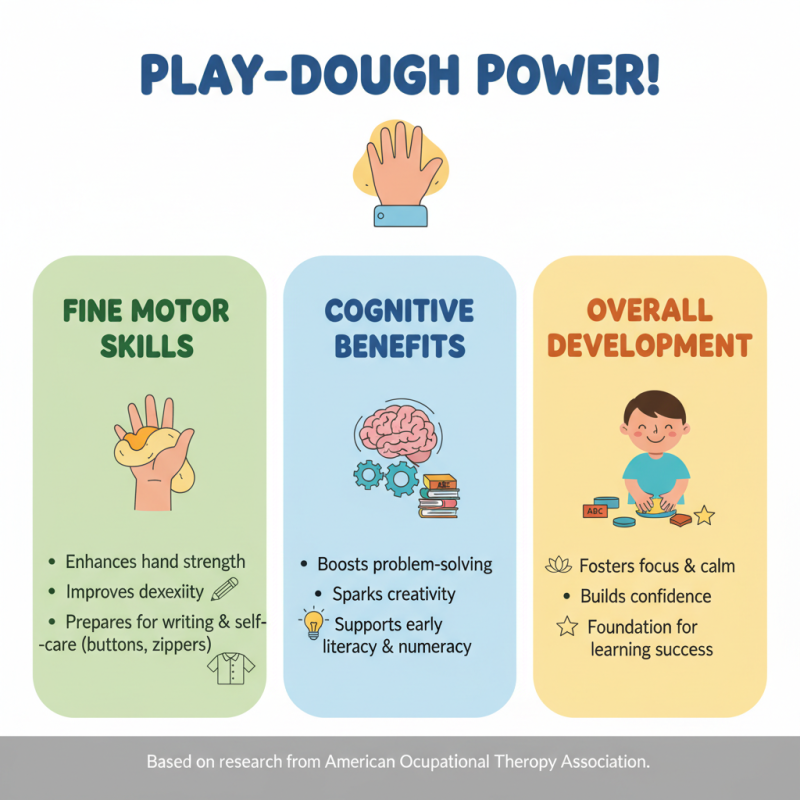
Dough toys, often seen as simple playthings, offer substantial developmental benefits for children. Engaging with dough enhances fine motor skills, which are crucial for tasks such as writing, buttoning clothing, and self-care routines. According to the American Occupational Therapy Association, children who manipulate materials like dough exhibit improved hand strength and dexterity, laying a strong foundation for more complex physical tasks. Research indicates that activities that promote fine motor development can positively influence a child’s overall academic performance, particularly in early literacy and numeracy skills.
Beyond fine motor development, dough play serves as a vehicle for cognitive and creative growth. When children mold and shape dough, they engage in problem-solving and critical thinking, which are vital cognitive skills. The National Association for the Education of Young Children highlights that creative play fosters a sense of agency and innovation in young minds, allowing them to explore concepts such as volume, symmetry, and spatial awareness in a hands-on manner. Moreover, studies have shown that open-ended play with materials like dough can lead to increased imaginative play, cultivating emotional and social development as children learn to share, negotiate, and collaborate with peers.
Impact of Dough Play on Fine Motor Skills and Coordination
Dough play is increasingly recognized for its positive role in developing fine motor skills and enhancing coordination in young children. Engaging in activities with dough requires kids to manipulate the material using their fingers, which promotes dexterity and individual finger strength. According to research published by the American Academy of Pediatrics, fine motor skills are critical for daily tasks, including writing and using tools, and enhancing these skills at an early age can lead to better performance in academic settings.
Beyond physical benefits, dough play also supports cognitive coordination, as children learn to control their movements and apply pressure to create shapes and designs. A 2021 study in the Journal of Child Development found that children who engaged in creative play, such as kneading and rolling dough, showed marked improvement in hand-eye coordination and spatial awareness. This type of play not only fosters creativity but also lays a foundational skill set that is essential for later learning and self-sufficiency.
Additionally, by fostering fine motor development, dough play can encourage independence in tasks such as dressing and feeding, which are vital for a child's growth and confidence.
Enhancing Creativity Through Dough-Based Activities
Dough-based activities serve as a powerful tool for enhancing creativity in children. When children engage with dough, whether it’s molding, shaping, or experimenting with colors, they exercise their imagination and develop their artistic skills. This hands-on experience allows them to visualize their ideas and bring them to life, fostering a sense of accomplishment and boosting their confidence. The open-ended nature of dough play encourages exploration, enabling children to discover new techniques and methods of expression without the pressure of following rigid rules.
Moreover, working with dough enhances fine motor skills, which are crucial for various creative tasks. As children roll, pinch, and sculpt, they strengthen the small muscles in their hands, improving dexterity and coordination. This physical engagement complements the imaginative processes, creating a holistic approach to creativity that involves both mental and physical capabilities. Activities such as collaborative dough creations can also promote teamwork and communication among children, further enriching their creative experiences.
Overall, dough play is an invaluable avenue for nurturing creativity while simultaneously developing essential skills in young learners.
Psychological Benefits of Engaging with Dough Toys in Early Childhood
Engaging with dough toys in early childhood offers a variety of psychological benefits that support emotional and cognitive development. As children manipulate dough, they not only enhance their fine motor skills but also gain a sense of accomplishment and control over their creations. This tactile experience fosters self-esteem, as they can see tangible results from their efforts, contributing to a positive self-image. Additionally, the process of shaping and molding dough encourages perseverance, as children learn to experiment and refine their designs, providing a safe space to make mistakes and try again.
The imaginative play that dough toys encourage also plays a crucial role in developing creativity. Children often create stories and scenarios around their dough creations, which enhances their narrative skills and expands their vocabulary. This type of symbolic play encourages abstract thinking, as they transform simple materials into complex characters or objects. Furthermore, engaging with peers in dough play promotes social interaction, allowing children to practice communication skills and develop empathy as they negotiate ideas and share resources. Overall, the psychological benefits of engaging with dough toys contribute significantly to a child's early development, laying a foundation for creativity and emotional intelligence.
Psychological Benefits of Engaging with Dough Toys in Early Childhood