How to Choose Safe and Engaging Toys for Your Children
Choosing the right toys for your children is essential for their development and safety. As parents and caregivers, understanding how to select the best children toys can be a daunting task, given the vast array of options available in the market. It is crucial to ensure that the toys are not only entertaining but also safe and developmentally appropriate. This involves considering factors such as age appropriateness, material safety, and the educational value of the toys.
When selecting children toys, it is important to prioritize safety by looking for products that meet safety standards and do not contain harmful substances. Additionally, engaging toys that encourage creativity, problem-solving, and physical activity can greatly contribute to a child's growth. Parents should also consider the interests and developmental stages of their children, as this will help in choosing toys that foster learning and exploration. Ultimately, by making informed choices, caregivers can create a secure and stimulating play environment that supports the healthy development of their children.
Types of Toys: Understanding Safe Materials and Design Features
When selecting toys for children, it's crucial to understand the materials and design features that ensure safety and promote engagement. Safe materials are typically non-toxic and free from harmful chemicals like BPA, phthalates, and lead. Parents should look for toys made from natural materials such as wood, organic cotton, or silicone, which are less likely to pose health risks. Additionally, durable materials that can withstand rough play help prevent the risk of choking hazards from broken pieces.
Design features also play a significant role in the safety and enjoyment of toys. Toys should be free from sharp edges or small parts that could create choking hazards for younger children. Smooth surfaces and rounded corners contribute to the overall safety of the toy. Engaging designs that stimulate a child's imagination, promote interactive play, and encourage fine motor skill development can enhance their play experience. Furthermore, toys that can grow with the child—adaptable in use or complexity—can provide long-lasting value and ensure ongoing engagement as the child develops.
How to Choose Safe and Engaging Toys for Your Children
| Type of Toy |
Safe Materials |
Design Features |
Recommended Age Group |
| Soft Plush Toys |
Organic cotton, non-toxic dyes |
No small parts, machine washable |
0-3 years |
| Building Blocks |
Wood, BPA-free plastic |
Large size to avoid choking, smooth edges |
3-6 years |
| Art Supplies |
Non-toxic paint, soy-based materials |
Ventilated caps, safety scissors |
5+ years |
| Musical Instruments |
Wood, safe plastics |
Durable, no sharp edges |
3+ years |
| Outdoor Toys |
Plastic, UV-resistant materials |
Stable base, rounded corners |
2-12 years |
Identifying Age-Appropriate Toys for Different Developmental Stages
When selecting toys for children, understanding the developmental stages they are in is crucial. Infants, for example, thrive on toys that stimulate their senses.
Soft, textured toys that are easy to grasp and safe to chew are ideal, as they encourage tactile exploration and hand-eye coordination. Brightly colored rattles or plush toys with varied materials can captivate a baby's attention, making them not only enjoyable but also beneficial for their sensory development.
As children grow into toddlers, the focus shifts to toys that promote imaginative play and physical activity. At this stage, toys such as building blocks, shape sorters, and simple puzzles can foster cognitive skills while also encouraging problem-solving.
Additionally, interactive toys that require cooperative play, like ride-on cars or playsets, help develop social skills and encourage cooperation among peers. Selecting age-appropriate toys during this period ensures that children are both entertained and challenged, paving the way for a well-rounded development as they transition to preschool and beyond.
Safety Standards: Recognizing Labels and Certifications on Toys
When selecting toys for children, safety should be the top priority, and understanding safety standards is crucial in making informed choices. Toys must comply with a variety of safety regulations to ensure they are free from harmful materials and designed to prevent injuries. According to the Consumer Product Safety Commission (CPSC), in 2021 alone, there were over 200,000 toy-related injuries treated in U.S. emergency departments, highlighting the importance of recognizing safe toys. Parents should look for labels and certifications such as ASTM, ISO, and EN71, which indicate that toys meet specific safety criteria established by authoritative bodies.
In addition to recognized certifications, it's essential to remain vigilant about age recommendations and hazard warnings on packaging. The American Academy of Pediatrics (AAP) emphasizes that toys designed for older children may pose choking hazards to younger siblings. Furthermore, research from the Toy Industry Association indicates that 80% of parents consider safety labels as the decisive factor when purchasing toys. This statistic underscores a growing awareness among consumers about child safety in playtime. By choosing toys that meet rigorous safety standards and being mindful of labeling, parents can significantly reduce the risk of accidents, ensuring a safer play environment for their children.
How to Choose Safe and Engaging Toys for Your Children
Engagement Factors: Selecting Toys That Promote Learning and Creativity
When choosing toys for children, it’s essential to consider factors that foster engagement, learning, and creativity. Research indicates that toys promoting hands-on experiences can significantly enhance cognitive development. According to a 2020 study published in the Journal of Child Development, children who regularly engage with interactive and educational toys exhibit a 30% increase in problem-solving skills compared to those who play with passive toys. This underscores the importance of selecting toys that encourage active participation rather than mere consumption.
In terms of fostering creativity, data from the American Academy of Pediatrics highlights that open-ended toys which allow children to explore and use their imagination can lead to improved social skills and emotional maturity. For instance, 67% of children exposed to creative play environments show advanced development in language skills by the age of 5. When considering toys, look for those that encourage storytelling and role-playing, as these activities provide rich opportunities for children to express themselves and learn to navigate social interactions. By prioritizing engagement factors like interactivity and imaginative play, caregivers can select toys that not only entertain but also contribute to holistic child development.
Tips for Regularly Assessing the Safety of Your Child's Toys
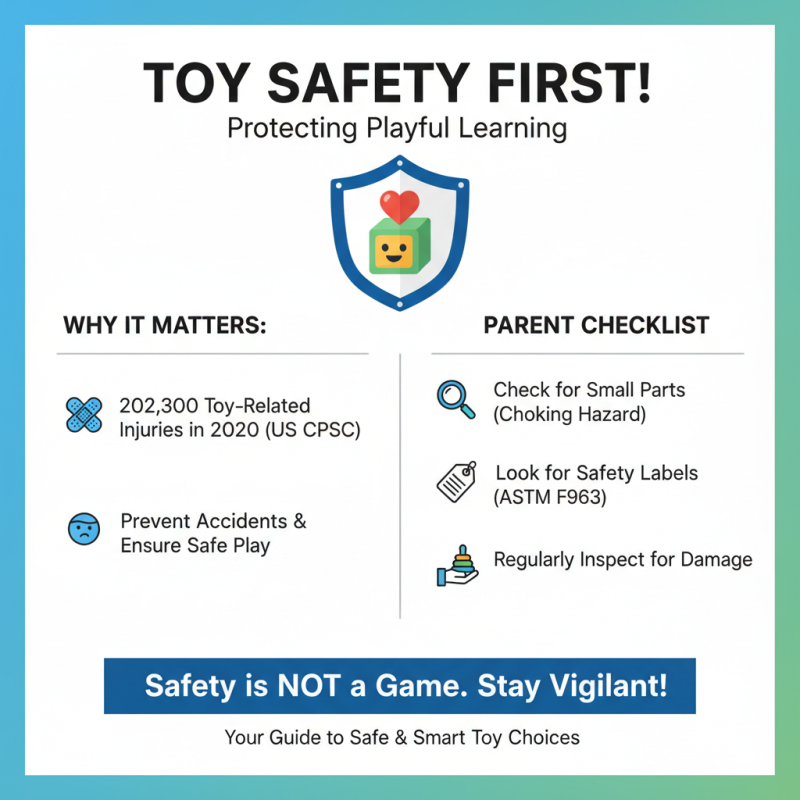
When it comes to choosing toys for children, safety should always be the primary concern for parents. The U.S. Consumer Product Safety Commission (CPSC) reported that in 2020, there were approximately 202,300 toy-related injuries treated in emergency rooms. This statistic highlights the necessity of regularly assessing the safety of your child's toys to prevent accidents and ensure playful learning experiences.
One of the key tips for assessing toy safety is to examine the age recommendations provided by the manufacturer. Toys are often labeled with age ranges that indicate which stages of development they are suitable for. According to a survey conducted by the Toy Industry Association, about 63% of parents confirm they check these recommendations before making a purchase. This practice can help avoid toys that may pose choking hazards or have parts that are too small for younger children.
Another crucial aspect is to routinely inspect toys for wear and tear. Over time, even the safest toys can become hazardous due to broken pieces or deteriorating materials. Research published in the Journal of Pediatric Health Care highlights that nearly 44% of parents never check their child’s toys for damage. Implementing a regular toy inspection schedule, ideally every few months, can help identify damaged toys that need to be repaired or discarded, ensuring a safe play environment for your children.