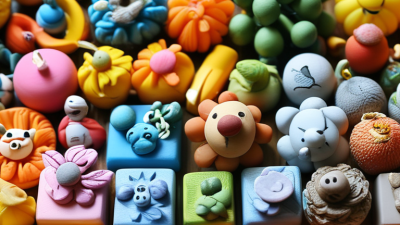
10 Best Dough Toys for Wholesale Buyers in 2026?
Choosing the right Dough Toys for wholesale requires more than comparing unit prices. Buyers must examine material quality, mold resistance, color stability, packaging, and customer appeal. A low-cost product can become expensive when containers crack, dough dries quickly, or returns increase.
Richard Gottlieb, founder of Global Toy Experts, has said, “The best toys create opportunities for children to use their imagination.” That principle remains important in 2026. Strong Dough Toys should invite open-ended play, support hand coordination, and offer enough texture for repeated use. Wholesale buyers should also review age recommendations, ingredient disclosures, choking-risk information, and supplier quality records. These details build trust with retailers and families.
This guide evaluates ten Dough Toys through a practical wholesale lens. It considers play value, durability, accessories, shelf presentation, shipping efficiency, and expected retail demand. Classic tubs may perform steadily, while themed sets can attract seasonal attention. Some eco-focused options look promising, but their shelf life and moisture resistance deserve closer testing. No ranking is perfect.
A sensible buyer should request samples before placing a large order. Test the dough after opening, kneading, and several days of storage. Check whether colors transfer onto hands or tables. Observe the smallest accessories carefully. Small defects matter.
The following selection aims to make product planning clearer, not merely faster. It highlights dependable choices while recognizing where each Dough Toys set may disappoint.
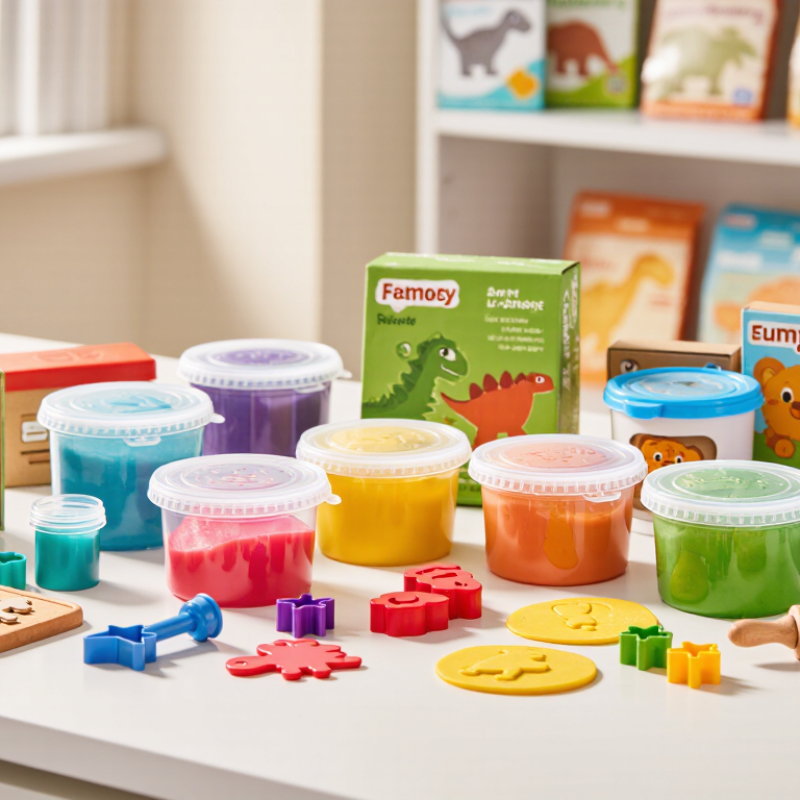
What Are Dough Toys and Why Are They Popular in 2026?
Dough toys are hands-on play products made from soft, moldable compound. Children press, roll, cut, and reshape the material into simple figures. Unlike passive screen activities, they turn small movements into visible results. This process supports fine-motor practice, color recognition, and open-ended storytelling. Messy, but useful. In 2026, families and educators continue seeking toys that combine creativity with practical learning.
For wholesale buyers, popularity comes from flexible use and strong visual appeal. A single set may include cutters, rollers, molds, and several bright colors. These parts create many play scenarios without requiring batteries or complicated setup. Seasonal shapes can also support birthday themes, classroom activities, and holiday displays. However, popular does not mean perfect. Some sets look attractive online but include weak tools, unclear instructions, or dough that dries too quickly. A practical sample inspection matters.
Experienced buyers should check texture, odor, color transfer, packaging strength, and age guidance before placing large orders.
The dough should feel soft but not overly sticky. Tools should have smooth edges and resist cracking during repeated use. Reliable suppliers should provide material details, safety test records, batch information, and clear cleaning instructions. These documents support responsible purchasing and help retailers answer customer questions with confidence. Price still matters, but the cheapest option may create more returns. I would also test the product in a real classroom or home setting, because catalog photos cannot show every weakness. A little residue, a loose lid, or a frustrating mold can change the entire play experience.
How to Evaluate Dough Toys for Wholesale Purchasing
10 Best Dough Toys for Wholesale Buyers in 2026?
How to Evaluate Dough Toys for Wholesale Purchasing
Wholesale buyers should evaluate dough toys through samples, not catalog photos alone. Press the dough for several minutes and check its texture, stretch, and residue. A strong product should feel soft without becoming oily or crumbly. Smell matters too. A sharp chemical odor can create customer complaints and returns.
Review the material details, age guidance, warning labels, and test documentation before discussing volume pricing. Ask whether each batch follows the same color, weight, and texture standards. Open several units from different cartons. Small differences can reveal weak production control. Check the containers for secure lids, readable information, and protection against drying during storage.
Cost is only one part of the purchase decision. Calculate product price, freight, storage space, damaged units, and expected returns. A cheaper set may lose money if the dough hardens after a few weeks. I once judged a sample too quickly because its colors looked attractive. After repeated handling, the surface became sticky. That mistake changed my inspection process.
Retail customers often value play value more than decorative packaging. Test whether the tools are easy for small hands to use. Observe whether the dough supports cutting, molding, and mixing without excessive mess. Seasonal demand can also distort forecasts, so compare past sales data with realistic reorder times. Some evaluations remain uncertain. Supplier communication and documented quality checks help reduce that uncertainty.
The 10 Best Dough Toys for Wholesale Buyers in 2026
The 10 Best Dough Toys for Wholesale Buyers in 2026
Wholesale buyers need dough toys that balance play value, safety, shelf appeal, and repeat demand. In practical product reviews, classic modeling dough tubs remain dependable because they offer simple play and easy color sorting. Extruder sets add texture and movement, while rolling pin kits support early hand control. Cutting tool sets create shapes without complicated instructions. Stamp kits give children quick results. They sell well in gift shops and educational stores.
Sensory dough jars attract buyers seeking quiet, tactile activities. Themed pretend-food kits encourage role play and display well in retail packaging. Construction dough sets suit children who enjoy building roads, walls, and small figures.
Color-mixing packs teach basic visual concepts through hands-on experiments. Classroom refill packs offer better volume value and reduce unnecessary packaging. That matters to schools and activity centers.
Check dough weight, seal quality, tool durability, and printed age guidance before placing a large order. Inspect several samples, not just one. A strong dough should feel soft without becoming oily or crumbly after repeated use. However, texture can change during storage, especially in hot warehouses. I would also compare carton dimensions, because oversized packaging can quietly increase freight costs. Some colorful sets look impressive online but contain too little dough. That is easy to miss. Wholesale success depends on honest specifications, practical testing, and products that children can use independently.
Key Features, Materials, and Safety Standards to Compare
10 Best Dough Toys for Wholesale Buyers in 2026?
Key Features, Materials, and Safety Standards to Compare
Wholesale buyers should compare dough toys by play value, durability, and documented safety performance. A strong set includes cutters, rollers, molds, and texture tools with smooth edges. Check whether handles stay firm after repeated pressing. Small detachable pieces deserve extra attention. They can become choking hazards for younger children. In my purchasing experience, clear age grading reduces confusion during retail placement. However, packaging claims alone are not enough. Request material specifications, batch records, and independent test reports. Common checks include heavy-metal limits, chemical migration, flammability, and mechanical safety requirements. Standards differ by market, so verify the rules for each destination.
Tips: Press every tool by hand. Inspect seams closely. Smell the dough. A strong chemical odor is a warning sign. Ask suppliers how they control color consistency between batches. This detail is often overlooked. Also request samples from different production runs, not just one perfect sample. I once found uneven mold edges in a sample that looked excellent in photographs. That mistake changed my inspection process.
Material choice affects both safety and customer satisfaction. Food-contact-style silicone may feel softer, while durable plastic can provide sharper shapes. Neither material is automatically safer. Look for traceable composition and migration testing. Dough should remain pliable without leaving excessive residue on hands or tables. Storage tubs should close securely but remain easy for children to open with supervision. Compare carton strength, instruction clarity, and cleaning guidance before placing a large order. A low unit price means little if returns, damaged packaging, or inconsistent batches consume the margin.
How to Choose the Right Dough Toys for Your Target Market
How to Choose the Right Dough Toys for Your Target Market
Choosing dough toys for wholesale is less about bright colors than market fit. Start with the buyer, not the product shelf. A preschool center may need soft dough, large tools, and simple shapes. Families often prefer reusable sets with storage boxes and varied textures. For older children, cutters, rollers, and building prompts can support more complex play. Ask what children actually do during a thirty-minute activity.
Material quality needs close inspection. Check the dough for a smooth texture, mild scent, and consistent color. Tools should have rounded edges, strong handles, and no loose pieces. Request sample units before placing a large order. Press the dough, open the container, and inspect it after several days. Small flaws often appear after repeated handling. Safety documentation, age guidance, packaging details, and batch information should be clear and current. Local requirements may differ, so verify them with qualified testing professionals.
Price still matters, but the cheapest set can create hidden costs. Weak tools may break during classroom use, while dry dough can increase customer complaints. Compare cost per usable piece, packaging volume, and expected shelf life. Seasonal colors may attract attention, yet neutral sets can serve more markets throughout the year. I would not rely on product photos alone; they can hide scale and texture. A practical mistake is ordering too many variations before testing demand. Begin with a focused selection, gather retailer feedback, then adjust colors, tools, and quantities.
10 Best Dough Toys for Wholesale Buyers in 2026
How to Choose the Right Dough Toys for Your Target Market
This 100-point wholesale planning benchmark prioritizes the factors that most influence dough-toy assortment decisions: safety and compliance, educational value, age suitability, material quality, packaging efficiency, creative variety, storage convenience, and price flexibility. Buyers can adjust the weighting according to their target market, sales channel, and local regulations.
Note: The scores are a transparent planning index rather than reported sales data. Always verify applicable requirements such as ASTM F963, CPSIA, EN 71, or other local toy-safety regulations before purchasing.