Choosing the right Clay Toys for children in 2026 involves more than bright colors and attractive packaging. A good option should invite creativity, support fine-motor practice, and remain practical for everyday play. This guide examines ten clay toys through a parent-friendly lens, considering texture, tool design, cleanup, durability, and age suitability. Small details matter, such as whether a child can open the container independently or press clay without frustration.
The selections reflect common recommendations from educators, occupational therapy resources, and manufacturer safety guidance. Materials should be clearly labeled, age-appropriate, and free from strong chemical odors. Supervision remains important, especially when kits include cutters, rollers, or small accessories. A washable mat, an old tablecloth, and a small storage box can make creative play far easier. Expect some mess.
Each featured toy offers a different experience. Some encourage quiet shaping, while others include molds for quick success. Certain kits may suit preschoolers, but older children could find them too simple. That judgment is not absolute. Children develop at different speeds, and personal interests can change quickly. This list also considers whether the clay dries out, whether tools feel sturdy, and whether the finished creations hold their shape. No ranking can predict every family’s needs, but these practical comparisons can help parents choose with greater confidence. A little imperfection is normal. Creative play rarely follows the picture on the box.
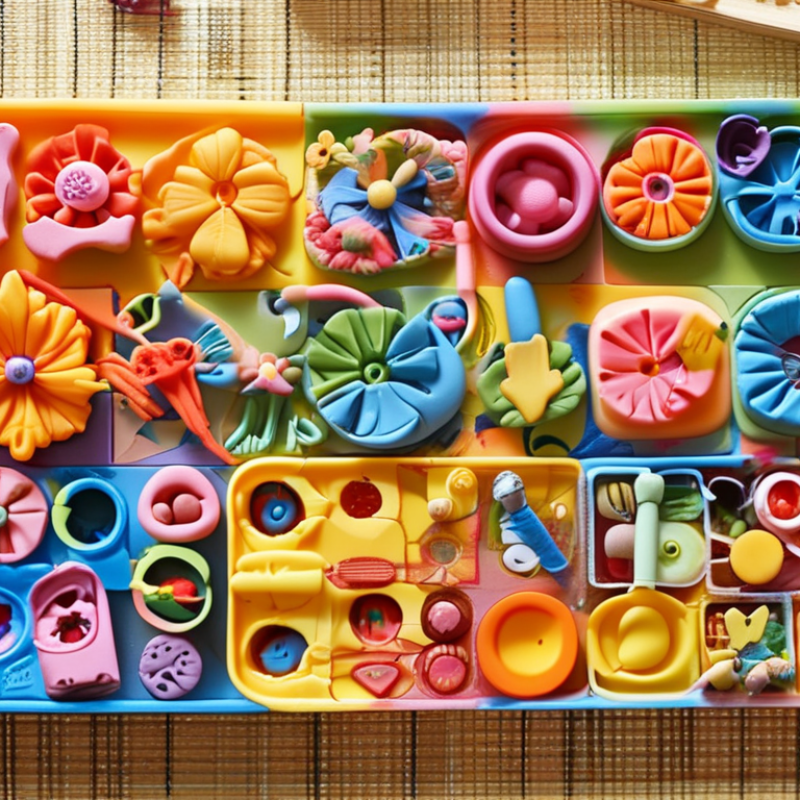
Clay toys are moldable play materials made for shaping, pressing, rolling, and joining. They may include soft modeling clay, dough-like compounds, or reusable sculpting sets. Unlike screen-based activities, clay gives children direct control over texture, pressure, and movement. I have watched children turn a small lump into animals, food, roads, and imaginary machines. Their fingers stay busy. Their ideas become visible.
Clay play can strengthen fine motor skills because children pinch, squeeze, flatten, and cut the material. These movements may support hand control needed for drawing, dressing, and using classroom tools. Child-development professionals also connect open-ended clay play with creativity, language, and problem-solving. A child may explain why a clay bridge collapses, then change its shape. That is practical learning, not just entertainment. Still, clay does not benefit every child equally. Some dislike sticky textures or become frustrated when creations break. I once assumed a child was uninterested, but the real issue was the strong smell and messy surface. A softer, unscented option worked better.
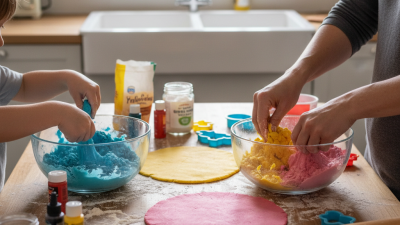
Adults should choose age-appropriate, non-toxic clay and supervise younger children closely. Clay should never be treated as food, even when it looks colorful. Check safety instructions, possible allergens, and small accessories before play. A washable mat helps, while handwashing reduces residue around eyes and mouths. Children also need simple prompts, not constant correction. “What could make it stronger?” often encourages deeper thinking than showing them the right shape.
A practical comparison of popular clay toy types, their recommended ages, learning benefits, and care requirements.
| No. | Clay Toy Type | Recommended Age | Typical Material | Key Benefits for Kids | Drying or Curing | Cleanup Level | Typical Price Range (USD) |
|---|---|---|---|---|---|---|---|
| 1 | Air-Dry Modeling Clay Set | 4 years and up | Water-based air-dry clay | Encourages creativity, hand strength, shape recognition, and independent play | Usually dries in 24–72 hours, depending on thickness | Low to moderate | $8–$25 |
| 2 | Reusable Modeling Dough | 2 years and up | Soft, non-drying modeling dough | Supports sensory exploration, fine-motor control, color learning, and pretend play | Remains reusable when stored in an airtight container | Low | $6–$20 |
| 3 | Clay Pottery Starter Kit | 6 years and up | Natural clay or self-hardening clay | Introduces basic pottery, patience, three-dimensional design, and cultural craft skills | Air-dries in approximately 2–5 days; kiln firing is optional for suitable clay | Moderate to high | $15–$45 |
| 4 | Clay Tool and Texture Set | 5 years and up | Plastic, wood, or silicone tools used with modeling clay | Improves precision, pattern-making, bilateral coordination, and planning | Depends on the clay used with the tools | Low | $7–$20 |
| 5 | Clay Extruder and Shape Kit | 6 years and up | Soft modeling clay with a manual plastic extruder | Builds hand pressure control, sequencing, repetitive pattern design, and problem-solving | Usually reusable; finished pieces dry according to the clay formula | Low to moderate | $10–$28 |
| 6 | Foam Clay Craft Set | 5 years and up | Lightweight foam beads suspended in a water-based binder | Offers tactile stimulation, lightweight sculpture practice, and decorative craft activities | Typically air-dries within 24–48 hours | Moderate | $8–$22 |
| 7 | Clay Bead and Jewelry Kit | 7 years and up | Lightweight clay beads, elastic cord, and craft accessories | Develops threading skills, visual sequencing, color matching, and gift-making confidence | Pre-formed beads generally require no additional curing | Low | $10–$30 |
| 8 | Polymer Clay Sculpting Set | 8 years and up | Oven-hardening polymer clay | Encourages detailed sculpting, patience, color blending, and advanced fine-motor practice | Requires adult supervision and oven curing according to package instructions | Moderate | $12–$35 |
| 9 | Clay Stamp and Printing Kit | 4 years and up | Reusable stamps, rollers, and soft modeling clay | Teaches cause and effect, repetition, symmetry, surface design, and creative expression | Depends on whether the clay is reusable or air-drying | Low | $8–$24 |
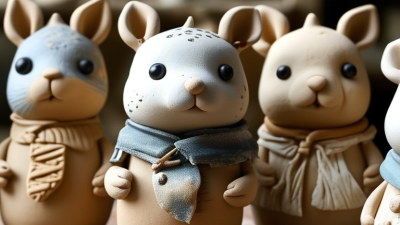
| 10 | Clay Animal and Miniature Figure Kit | 6 years and up | Air-dry, reusable, or polymer modeling clay | Combines storytelling, imaginative play, proportion practice, and three-dimensional thinking | May remain soft, air-dry in 1–3 days, or require oven curing | Moderate | $10–$30 |


+86-754-86986185

David: info@yo-yo.net.cn
Susan: sales8@yo-yo.net.cn
Eunice: sales3@yo-yo.net.cn
Vincent: st88@sixtrees.cn

David: +86 13118683999
Susan: +86 13829657827
Eunice: +86 13809675407
Vincent: +86 13592830482