2025 Top Children Toys Trends You Need to Know
As we look ahead to 2025, the landscape of children toys is set to evolve in exciting and innovative ways. The trends emerging in the realm of children's playthings reflect broader societal shifts, technological advancements, and a deeper understanding of child development. This transformation is not merely about introducing new products but also about enhancing the way children engage with toys, fostering creativity, learning, and social interaction.
In this outline, we will explore key trends that are anticipated to shape the market for children toys over the next few years. From the rise of sustainable and eco-friendly materials to the integration of smart technology, the focus is shifting towards toys that not only entertain but also educate and engage young minds. Furthermore, we will look into the growing importance of inclusivity and diversity in toy designs, ensuring that all children see themselves represented in their play experiences.
Understanding these trends is crucial for parents, educators, and toy manufacturers alike, as they navigate the ever-changing landscape of children's toys. By recognizing what captures children's imaginations and supports their development, we can better prepare for the future of play.
Emerging Technologies Influencing Children's Toys in 2025
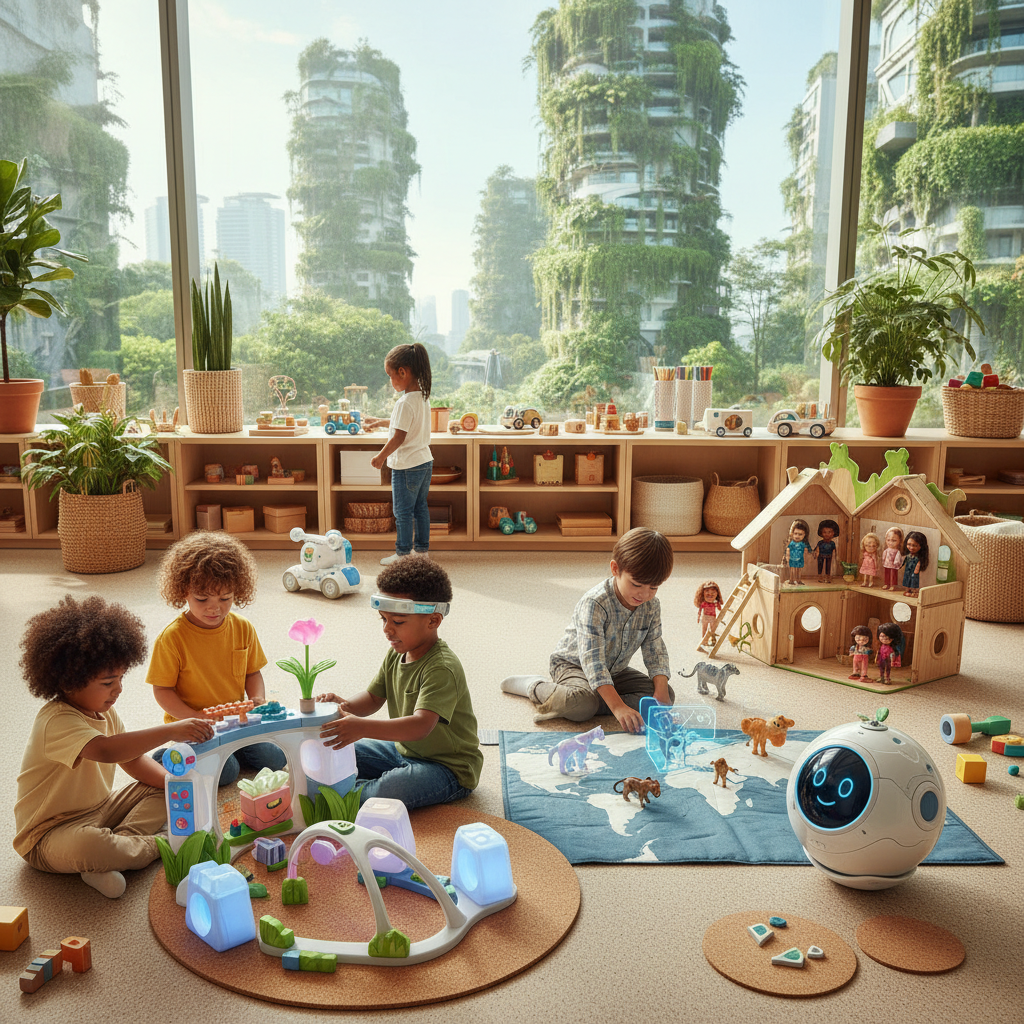
As we approach 2025, the landscape of children's toys is set to transform significantly, driven by emerging technologies. According to a report by the Toy Industry Association, the global market for smart toys is projected to reach $8 billion by 2025, highlighting a growing trend towards interactive and educational playthings that integrate technology. Parents are increasingly seeking toys that not only entertain but also enhance learning experiences through digital interactions.
One key trend is the incorporation of augmented reality (AR) into toys, which blends the physical and digital worlds for children. Companies like LEGO and Hasbro are already experimenting with AR features, allowing children to engage in immersive storytelling and creative play. A recent study from ResearchAndMarkets predicts that the AR toy market will witness a compound annual growth rate (CAGR) of over 25% during the next few years, indicating a robust interest in this innovative play format.
Furthermore, artificial intelligence (AI) continues to influence toy designs, with smart dolls and robots that can learn and adapt to a child's behavior. The International Toy Fair reported that AI-enabled toys are among the top-selling items, with an expected increase in sales by 30% through 2025. This shift towards AI integration not only captivates children’s imaginations but also facilitates personalized learning experiences, making playtime more meaningful and educational.
Sustainable Materials and Eco-Friendly Practices in Toy Manufacturing
As the toy industry evolves, there is a significant shift towards sustainable materials and eco-friendly practices in manufacturing. Parents are increasingly concerned about the environmental impact of the products they buy for their children, leading toy companies to rethink their production methods. Biodegradable materials, such as organic cotton and recycled plastics, are becoming popular choices, allowing manufacturers to create toys that are not only safe for children but also gentle on the planet.
Moreover, many brands are embracing transparency in their supply chains, ensuring that the materials they use are sourced responsibly. This includes working with suppliers who adhere to environmentally friendly practices, such as reducing waste and minimizing carbon footprints. Additionally, eco-friendly packaging is gaining traction, with companies opting for recyclable or compostable options instead of traditional plastic. The focus on sustainability is not just a trend but reflects a fundamental change in how toys are made, signaling a promising future for both children’s play and environmental health.
2025 Top Children Toys Trends: Sustainable Materials and Eco-Friendly Practices
This chart displays the percentage of popular toy materials used in 2025, showcasing the shift towards sustainable and eco-friendly options.
Interactive and Smart Toys: Shaping Playtime Experiences for Kids
The landscape of children's toys is evolving rapidly, with
interactive and smart toys leading the charge in shaping playtime experiences.
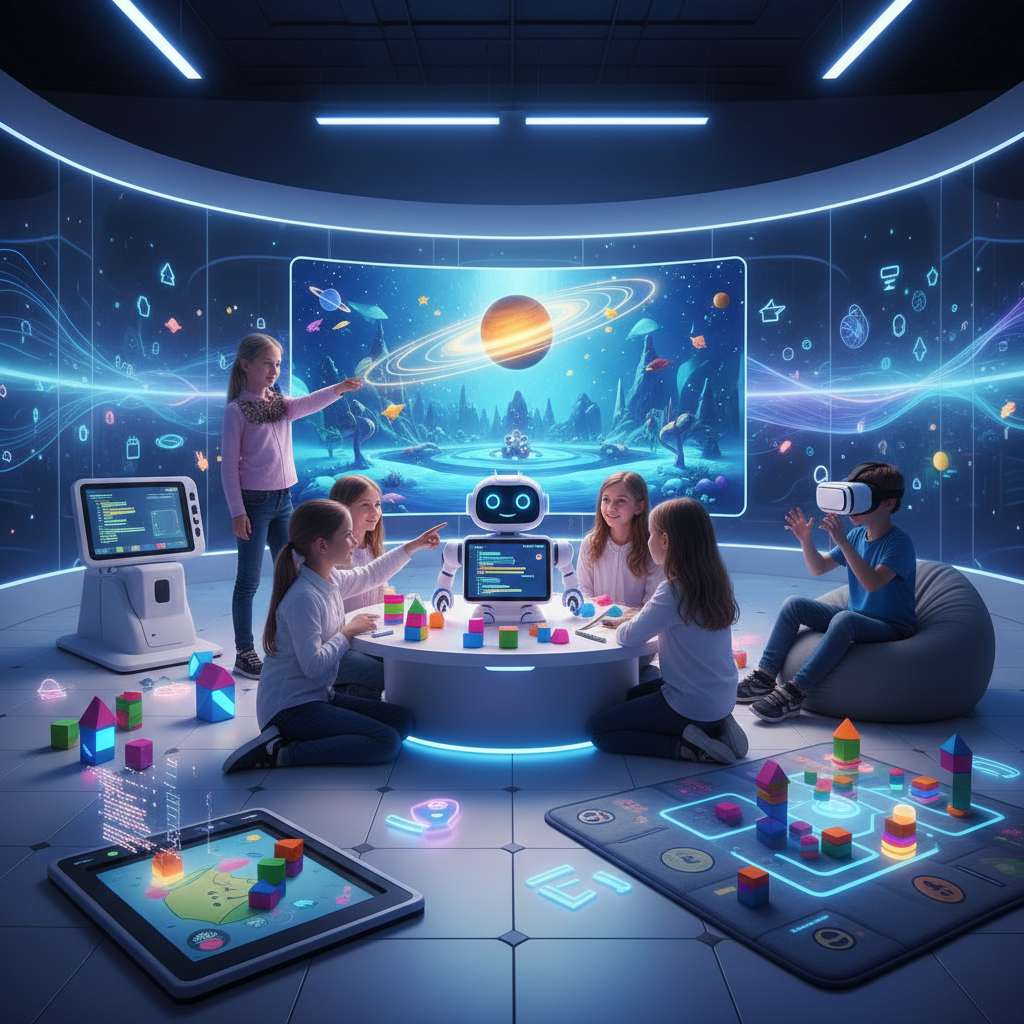
These toys leverage technology to create engaging environments that promote education and creativity. For instance,
robots and coding games allow children to learn the basics of programming while playing, fostering
problem-solving skills and critical thinking. By integrating
augmented reality (AR) or virtual reality (VR),
these toys provide immersive experiences that captivate young imaginations, transforming
traditional play into a dynamic journey of exploration.
Moreover, the emphasis on interactivity enhances social play among children.
Smart toys equipped with sensors and artificial intelligence
can adapt to a child's behavior, responding to their actions in real-time. This not only keeps children engaged but
also encourages collaborative play, as they learn to work together to solve challenges or achieve shared goals. As
parents become more aware of the benefits of educational play, the demand for toys that combine learning
with fun will likely continue to rise, making interactive and smart toys a staple in every child's playroom.
The Role of Educational Toys in Supporting Child Development Trends
In recent years, the significance of educational toys in supporting child development has gained substantial attention within the industry. According to a 2022 study by the Toy Association, over 70% of parents prioritize educational value when selecting toys for their children, reflecting a growing understanding of how play influences cognitive and emotional growth. Educational toys, from STEM kits to creative arts and crafts, not only engage children but also help cultivate critical thinking, problem-solving skills, and creativity.
Tips: When choosing educational toys, look for options that align with your child's interests to encourage engagement. Involving your child in the selection process can enhance their excitement and eagerness to learn through play.
Furthermore, the rise of technology-enhanced toys, such as interactive learning tablets and coding robots, showcases how innovation shapes educational trends. A report from Grand View Research indicated that the global educational toys market is expected to reach $40 billion by 2026, indicating a robust demand for toys that foster learning. These toys can introduce children to complex concepts in a fun, engaging way, which lays a foundation for lifelong learning.
Tips: Rotate toys regularly to maintain your child’s interest and create a fresh learning environment that stimulates curiosity and exploration.
2025 Top Children Toys Trends You Need to Know - The Role of Educational Toys in Supporting Child Development Trends
| Toy Type |
Age Group |
Developmental Benefits |
Popularity Score (1-10) |
| STEM Kits |
6-12 years |
Critical thinking, Problem-solving |
9 |
| Montessori Toys |
2-6 years |
Fine motor skills, Independence |
8 |
| Interactive Books |
0-5 years |
Language development, Cognitive skills |
7 |
| Creative Play Sets |
3-8 years |
Imagination, Social skills |
8 |
| Building Blocks |
2-6 years |
Spatial awareness, Problem-solving |
9 |
Cultural and Social Influences Driving Toy Popularity Among Children

The toy industry is increasingly shaped by cultural and social influences that reflect children's evolving interests and values.
According to a recent report by the Toy Association, 2025 is set to witness a surge in toys that promote social interaction and
inclusivity. This trend is highlighted by the rise of cooperative games and educational toys that encourage teamwork and empathy, aligning with parents' desires to cultivate
social skills in their children. Research indicates that 68% of parents prioritize toys that foster collaboration, reflecting a significant shift towards values that resonate with contemporary society.
Additionally, the impact of digital media cannot be overstated. A study conducted by NPD Group found that 74% of children aged 6-12 are
influenced by their favorite YouTube channels and social media personalities when choosing toys. This cultural connection drives the popularity of toys linked to digital content, as brands leverage characters and themes from popular online platforms
to captivate young audiences. Furthermore, eco-friendly and sustainable toys are gaining traction, with 52% of parents expressing a preference for brands that prioritize
environmental responsibility, showcasing how societal concerns shape purchasing decisions in the toy market.